Cameras are brilliant at showing you what happened, but a camera by itself does not stop anything — it documents. An EZVIZ smart home alarm adds the missing layer: it detects an intrusion the instant it starts and reacts loudly and immediately. Built around a central hub with door, window and motion sensors, a keypad and a siren, the alarm turns your home from a place that records a break-in into one that interrupts it and calls for your attention at once. This guide explains what is in an EZVIZ alarm system, how the pieces work together, and why it belongs alongside your cameras.
Key takeaways
- An alarm detects and reacts in real time, while cameras mainly record.
- The hub is the brain, linking sensors, keypad and siren into one system.
- Door, window and motion sensors detect entry the instant it happens.
- Home, away and night arming modes match protection to your daily routine.
- It works with your EZVIZ cameras so a trigger and its footage arrive together.
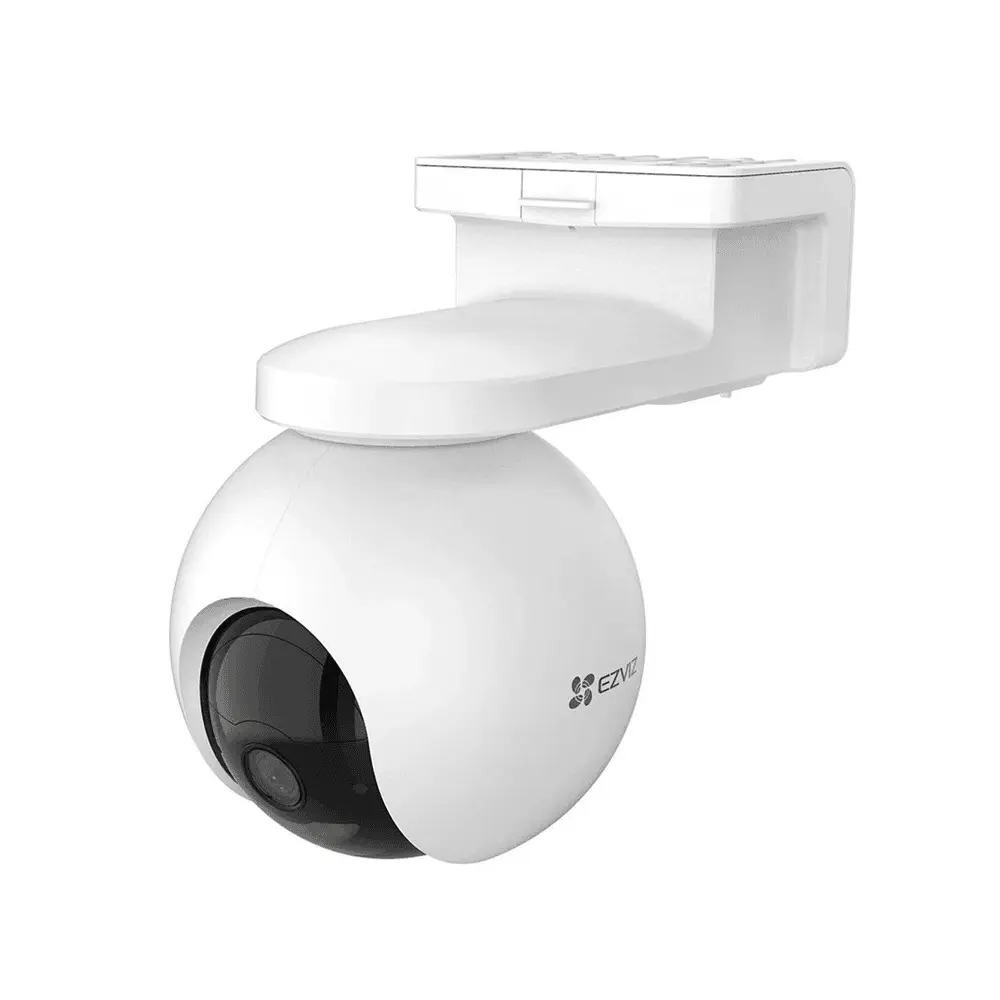
Alarm kits pair sensors with cameras for verified alerts
Why cameras alone are not an alarm
A camera notifies you and stores the evidence, which is valuable, but it relies on you seeing the alert and deciding to act, and it does nothing to discourage the intruder in the moment. An alarm is designed around immediate response. The second a sensor detects a door forced open while the system is armed, a loud siren sounds — and noise is one of the most effective deterrents there is, because burglars want to be quick and unseen, not announced. At the same time the alarm pushes a high-priority alert to your phone and can wake the household. Cameras and alarms are not competitors; the camera tells the story and the alarm changes it.
What is in an EZVIZ alarm kit
A typical EZVIZ alarm kit centres on a hub and adds the pieces that suit your home. Contact sensors mount on doors and windows and trigger the instant the two halves separate. Motion detectors watch interior spaces such as a hallway or living room and catch anyone moving through. A keypad lets family members arm and disarm the system with a code by the door, and a remote fob or the app does the same from a distance. A siren, built into the hub or separate, provides the loud response. You start with the sensors your home needs and expand later, since every device simply pairs to the same hub.
How the hub coordinates everything
The hub is the piece that makes a pile of sensors into a system. It keeps a constant link with every device, knows whether the system is armed and in which mode, and decides what to do when a sensor fires. Crucially, a good hub does not depend solely on Wi-Fi — it holds its own connection and a backup battery, so cutting the mains power or the internet does not silence the alarm, which is exactly what an intruder would try. The hub also talks to your EZVIZ cameras, so a triggered sensor can pull up the relevant camera feed automatically, letting you see in one glance whether an alert is a real threat or a family member who forgot to disarm.
Arming modes for your daily routine
Real homes are not simply armed or unarmed, so the system offers modes that fit how you actually live. Away mode arms everything for when the house is empty. Home mode arms the perimeter — doors and windows — but leaves interior motion sensors off, so the family can move around freely in the evening while the outer shell stays protected. Night mode can arm the downstairs while everyone sleeps upstairs. Switching modes takes one tap in the app or a code on the keypad, and you can schedule them so the system arms itself at bedtime without anyone remembering. This is what stops people from leaving the alarm off because using it is a hassle.
Alarm kit components
| Component | Role |
|---|---|
| Hub | Brain, backup power and connection |
| Door/window sensor | Detects entry points opening |
| Motion detector | Watches interior spaces |
| Keypad | Arm and disarm by code |
| Siren | Loud deterrent response |
A real example: a Nasr City apartment
Consider a family in a Nasr City apartment who travel every Eid. With cameras alone they would return to footage of whoever entered. After adding an EZVIZ alarm, a contact sensor on the front door trips the siren the moment it is forced, the hub alerts their phones abroad within seconds, and a trusted neighbour is notified to check — turning a week-long blind spot into an intrusion that is caught and interrupted as it starts.
Smart detection filters motion noise into people and vehicle alerts only
Frequently asked questions
Do I need an alarm if I already have cameras?
Cameras and alarms do different jobs. Cameras record and identify after the fact; an alarm detects and deters in the moment with a loud siren and instant alert. If you want your system to actively interrupt a break-in rather than only give you footage of it afterwards, adding an alarm is the upgrade, and the two work best together.
Will the alarm still work in a power or internet cut?
Yes. A well-designed hub carries a backup battery and its own cellular or independent connection, so cutting the mains or the Wi-Fi does not disable it — the sensors still trigger and the siren still sounds. This resilience is a key reason an alarm hub is worth having, since power interruptions are exactly when a home is most vulnerable.
What if a family member sets it off by accident?
There is a short entry delay and a grace period to disarm with a code or the app before the siren escalates, so an accidental trigger is easily cancelled. You can also set which sensors are active in each mode, so everyday movement at home does not cause false alarms while the perimeter stays protected.
Can I expand the alarm system later?
Easily. Start with the hub and a few sensors for your main entry points, then add more door, window and motion sensors, extra keypads or sirens whenever you like. Each new device pairs to the same hub and appears in the same app, so the system grows with your needs without any rework.
Sources and Further Reading
Related guides
- Building a complete EZVIZ smart home system
- Integrating CCTV with alarm systems
- Smart security for Egyptian apartments
- EZVIZ smart locks: keyless entry
- Explosion-Proof Cameras for Hazardous Areas
Give your home a way to say no
Footage tells you what happened; an alarm helps stop it happening at all. FastEgy, an official EZVIZ distributor in Egypt, can design an alarm kit around your home's entry points, supply it with local warranty, and link it to your cameras so one system watches and reacts. Start at the contact page or browse alarm kits in the FastEgy store.