Hikvision DeepinMind NVR technology moves the intelligence of a smart camera system into the recorder itself, and understanding how it adds AI analytics to ordinary cameras opens an affordable upgrade path most owners never realize exists. Instead of replacing every camera with an expensive AI model, a DeepinMind NVR applies deep-learning analytics centrally — classifying humans and vehicles, filtering false alarms, and enabling fast target search — across the ordinary IP cameras you already own. It is the recorder-side answer to the false-alarm problem, and for an existing system it can deliver most of the benefit of smart cameras by changing just one box. This guide explains what a DeepinMind NVR does, where it fits, and how it compares to putting the intelligence in the cameras.
Key takeaways
- A DeepinMind NVR runs AI analytics in the recorder, upgrading ordinary cameras you already own.
- It classifies humans and vehicles to filter false alarms — the core smart-detection benefit, centrally.
- Target search jumps to every human or vehicle event across all channels in seconds.
- It is the affordable path to add AI to an existing system without swapping every camera.
- In-camera AcuSense is more accurate; a DeepinMind NVR is the cost-effective middle path.
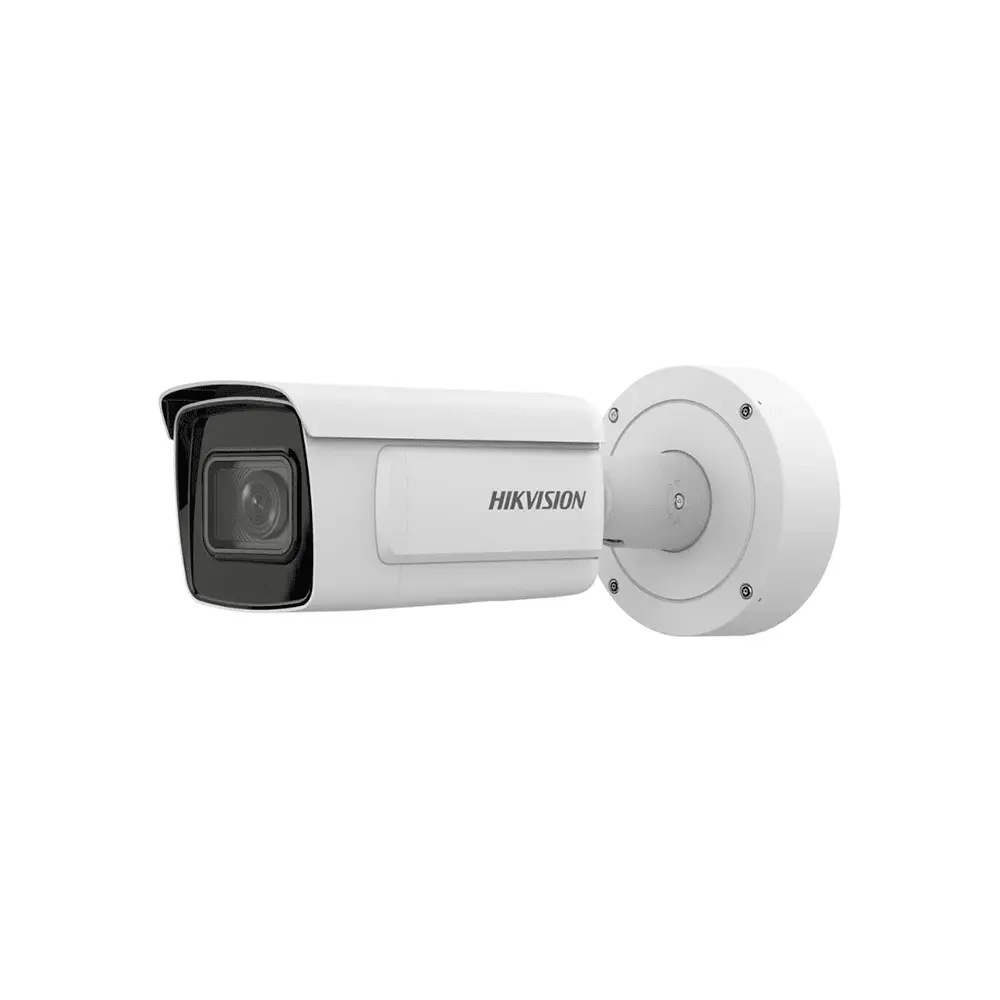
AI-class devices analyze scenes instead of just recording them
The idea: intelligence in the recorder
Smart analytics can live in two places: inside each camera, or centrally inside the recorder. DeepinMind is Hikvision's line of NVRs that carry the deep-learning intelligence in the recorder. When your ordinary IP cameras send their video to a DeepinMind NVR, the recorder analyzes those streams with its own AI — deciding what is a human, what is a vehicle, and what is just motion — and applies smart features to cameras that have no intelligence of their own. This central approach means you can add real analytics to a system built from standard cameras by upgrading only the recorder, rather than replacing a wall of cameras. For an existing installation, that is a dramatically cheaper route to a smart system.
What a DeepinMind NVR does
- False-alarm filtering: it classifies moving objects as human or vehicle and alarms only for the classes you chose, killing alerts from animals, weather and shadows.
- Target search: filter days of recording across every channel down to just the human or vehicle events, turning hours of review into seconds.
- Perimeter analytics: line crossing and intrusion detection become reliable because only real people trip them.
- Central management: one intelligent recorder applies these smarts across many ordinary cameras at once.
DeepinMind NVR vs in-camera AcuSense
Both put AI in your system, and the honest comparison guides the spend. In-camera AcuSense analyzes the scene at the source, at full resolution before compression, which generally makes it the most accurate — and it is where active-deterrence strobe-and-siren models live. A DeepinMind NVR analyzes the streams after they reach the recorder, which is slightly less ideal per camera but has a decisive advantage: it upgrades ordinary cameras you already own, across many channels, by changing one box. So the rule of thumb is simple. Building a new system where accuracy is paramount, or wanting active deterrence? Choose AcuSense cameras. Upgrading an existing system of standard cameras affordably? A DeepinMind NVR delivers most of the benefit for far less. Many sites even mix them — AcuSense cameras at the critical points, a DeepinMind NVR lifting the rest.
Where a DeepinMind NVR fits best
The ideal case is an existing system drowning in false alarms. You have a wall of ordinary IP cameras, the motion alerts have long been switched off because of cats and shadows, and replacing every camera with an AI model is too expensive to justify. Swap the recorder for a DeepinMind NVR and the whole system gains human-vehicle filtering and target search overnight, on the cameras you already have. It also suits medium and larger sites that want intelligence managed centrally rather than configured camera by camera. The cameras keep doing their job; the recorder simply gets smart enough to make their footage trustworthy and searchable.
A car showroom that revived its dead alerts
A car showroom with sixteen ordinary IP cameras had given up on notifications entirely — the old system alarmed on passing headlights sweeping the glass frontage, on the cleaning staff, on a flag moving in the wind, dozens of times a night, so the manager muted everything and hoped. Replacing sixteen cameras with AI models was quoted well beyond what the owner wanted to spend. We swapped only the recorder for a DeepinMind NVR. The next night the difference was total: the system now alarmed only on classified human activity after closing, the manager trusted the alerts enough to switch them back on, and when he needed to review an incident, target search pulled up every person who had entered the lot that week in seconds instead of an evening of scrubbing. Sixteen dumb cameras became a smart system by changing one box — for a fraction of a full camera replacement.
That showroom is the DeepinMind case exactly: when the cameras are fine but the alarms are worthless, the cheapest cure is often a smarter recorder — not a wall of new cameras.
Smart detection filters motion noise into people and vehicle alerts only
Frequently asked questions
Will a DeepinMind NVR work with my existing cameras?
In most cases yes — it applies its analytics to standard IP cameras feeding it. Compatibility and how many analytic channels it supports depend on the model, so bring your camera list and we will confirm the fit before you buy.
Is it as accurate as AI cameras?
Generally slightly less, because in-camera analysis works on the full-resolution image at the source. But a DeepinMind NVR is far cheaper for an existing system and delivers most of the real-world benefit — the honest trade of a little accuracy for a lot of savings.
Does it add active deterrence like strobe cameras?
The strobe-and-siren active deterrence lives in the cameras, not the recorder, so a DeepinMind NVR does not add it. For automatic light-and-sound warnings, pair the recorder with AcuSense deterrence cameras at the key points.
Should I choose AcuSense cameras or a DeepinMind NVR?
New system or accuracy-critical points: AcuSense cameras. Upgrading an existing system of ordinary cameras affordably: a DeepinMind NVR. Many sites do both. Bring your situation and we will map the cheapest route to trustworthy alerts.
Sources and Further Reading
Related guides
- Hikvision AcuSense technology: how AI cuts false alarms
- AcuSense vs regular cameras: is smart detection worth it
- How to choose the right NVR: a buyer's guide
- Smart video analytics: line crossing, intrusion and more
- Edge AI Cameras
Add AI by changing one box
If your existing cameras drown you in false alarms, FastEgy can add human-vehicle filtering and target search to the whole system with a DeepinMind NVR — no need to replace a single camera. As Hikvision's authorized distributor, our engineers will confirm compatibility and spec the recorder for your channels. Ask through the contact page, or browse DeepinMind NVRs with local warranty in the FastEgy store.