Hikvision Smart Hybrid Light technology ends an old trade-off in night vision: infrared is discreet but gray, while ColorVu's white light gives full color but stays on all night. Understanding how Smart Hybrid Light adapts its illumination explains why you no longer have to choose. A Smart Hybrid Light camera carries both infrared LEDs and white-light LEDs, and switches between them by event: it watches quietly in invisible infrared during normal hours, and the instant its analytics detect a person, it switches on the white light to capture full-color detail — and to actively deter the intruder with a visible response. This guide explains how it works, why the event-driven switch is smarter than either light alone, and where it fits best.
Key takeaways
- Smart Hybrid Light carries both infrared and white-light LEDs in one camera.
- It watches quietly in invisible IR until an event, then switches to white light for color.
- The white light doubles as active deterrence — a visible response when a person is detected.
- It combines infrared's discretion with ColorVu's color, event by event.
- Best where you want stealth normally but colored evidence and deterrence on demand.
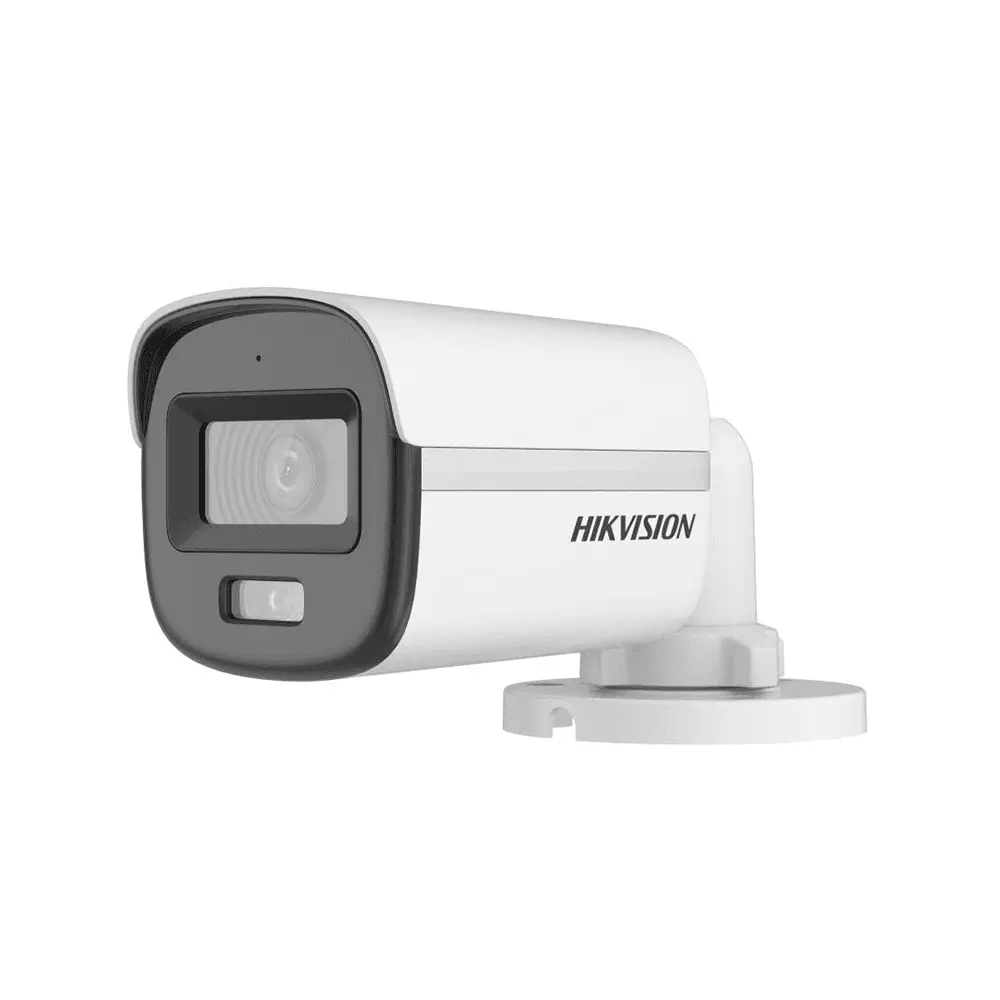
A Smart Hybrid Light camera combining infrared and warm light
The trade-off it removes
Night vision has long forced a choice. Infrared is discreet and long-reaching but paints the world in gray, losing the colors that make evidence useful. ColorVu keeps full color and deters with a visible glow, but that light shines all night, which is not always wanted and can draw attention or bother neighbors. Smart Hybrid Light refuses the choice: it runs in quiet invisible infrared as its default, so the camera stays discreet and the scene stays dark and undisturbed through the calm hours — and only when its analytics detect an actual person does it fire up the white light to grab full-color detail and challenge the intruder. You get discretion when nothing is happening and color plus deterrence exactly when it is.
How the event-driven switch works
The intelligence behind Smart Hybrid Light is the trigger. The camera uses AcuSense-style detection to classify what moves in the scene, and the white light is tied to that classification. Through a quiet night the camera sees in infrared and stays visually dark. When a person is detected — not a cat, not a swaying branch — the camera instantly switches on the warm white light, flooding the scene with enough illumination for a full-color image and simultaneously announcing, by that sudden light, that the intruder has been seen. When the event passes, it returns to discreet infrared. You can tune the behavior: the light's brightness, whether it flashes as a strobe, and the schedule during which the hybrid mode is armed. It is night vision that behaves like a guard — calm until something happens, then bright and assertive.
Where Smart Hybrid Light fits best
- Homes and villas where you want a dark, undisturbed garden at night but full-color deterrence if someone enters.
- Perimeters and yards where all-night white light would be unwanted, but you need color and deterrence on an event.
- Shopfronts and entrances that should look calm after hours yet respond visibly to a prowler.
- Anywhere you would otherwise agonize between the discretion of IR and the color of ColorVu — this is both.
Choosing between the three night-vision technologies
With infrared, ColorVu and Smart Hybrid Light all on the table, the choice comes down to what a position needs at night. Choose plain infrared where discretion and long reach matter and color does not — a long dark perimeter, an interior after closing. Choose ColorVu where you want continuous full color and a permanent visible presence — a lit gate, a shopfront that should always look watched. And choose Smart Hybrid Light where you want the best of both in one camera: a scene that stays dark and undisturbed most of the night, but delivers color and active deterrence the instant a person appears. Many villas end up with ColorVu at the lit gate and Smart Hybrid Light around the darker garden, so the family enjoys undisturbed nights while any intruder is met with sudden color and light. Match each position to the behavior it needs, and the whole system feels intelligent rather than uniform.
A villa garden that stayed peaceful
A family in a villa disliked their first night-security attempt: ColorVu cameras around the garden kept a bright white glow burning all night, which lit the bedrooms through the curtains and made the garden feel floodlit at 2 a.m. every night whether anything was happening or not. They wanted security without living under a permanent spotlight. We swapped the garden cameras for Smart Hybrid Light models. Now the garden sits in quiet invisible infrared through the calm hours — no glow, no disturbed sleep — and only if a person actually enters does the white light snap on to capture them in full color and warn them off. The family got their peaceful nights back and stronger protection at the same time: the light now appears exactly when there is someone to deter, and never just to watch an empty lawn.
The practical difference between infrared and full color night vision
Frequently asked questions
Does the white light stay on all night?
No — that is the whole point. It stays in quiet infrared by default and only switches the white light on when a person is detected, then returns to IR. You get color and deterrence on events, discretion the rest of the time.
How is it different from ColorVu?
ColorVu aims for full color continuously and its light tends to stay on. Smart Hybrid Light is event-driven — discreet IR normally, white light only when a person appears. It suits places that want stealth most of the time and color plus deterrence on demand.
Does the sudden light actually deter intruders?
A light that snaps on the moment someone enters is a strong signal they have been seen — most opportunists leave rather than continue under obvious illumination. Combined with an optional strobe or audio warning, the deterrence is stronger still.
Can I control when the hybrid mode is active?
Yes — schedule the armed hours, set the light brightness, and choose whether it flashes. Typically it is armed after closing or overnight, so daytime is unaffected and the response is reserved for the hours that matter.
Sources and Further Reading
Related guides
- Hikvision ColorVu technology explained in depth
- ColorVu vs IR night vision: which is better
- Hikvision AcuSense technology: how AI cuts false alarms
- Two-way audio in security cameras
- Hikvision Firmware Updates
Discreet by night, bright on demand
When you want a camera that stays quiet and dark until it matters, then floods the scene with color and warning, FastEgy fits Smart Hybrid Light models across Egyptian homes, villas and businesses — placed and tuned by our engineers, with local warranty as Hikvision's authorized distributor. Describe your site through the contact page, or browse Smart Hybrid Light cameras in the FastEgy store.